
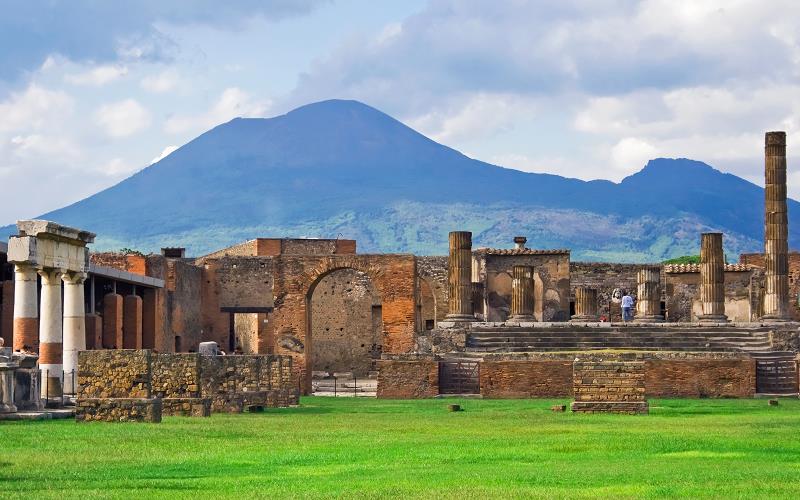
Nestled near the base of Mount Vesuvius, Pompeii was a thriving Roman city until a single, devastating day forever etched it into history. On August 24, 79 AD, an unexpected volcanic eruption unleashed chaos and destruction upon the city, burying it in volcanic ash and pumice, freezing its residents and architecture in time. Rediscovered in the 18th century, Pompeii has since fascinated archaeologists, historians, and tourists alike, as it provides a remarkably detailed look into life during the height of the Roman Empire. The story of Pompeii is more than a tale of a disaster; it’s a testament to human resilience, a reminder of nature’s unpredictability, and a rare glimpse into the everyday lives of people over two millennia ago.
The Day Before Disaster Struck
Pompeii was a bustling Roman town situated near the coast of the Bay of Naples, home to approximately 11,000 people. Known for its prosperous economy, it thrived on agriculture, trade, and even tourism, as affluent Romans sought its warm climate and seaside beauty. Streets were lively with markets, shops, bathhouses, theaters, and impressive villas adorned with mosaics and frescoes, showcasing a rich culture deeply rooted in Roman traditions and beliefs.
Read more about Amalfi Coast
However, beneath the surface of this idyllic setting lay a sleeping giant. Mount Vesuvius, a volcano that had been dormant for hundreds of years, loomed ominously over the city. Many Pompeiians had little knowledge of volcanoes and were unaware of the potential danger Vesuvius posed. Some residents had noticed unusual signs—tremors, strange animal behavior, and even minor eruptions—but few believed these were warnings of an impending catastrophe.
The Morning of August 24, 79 AD
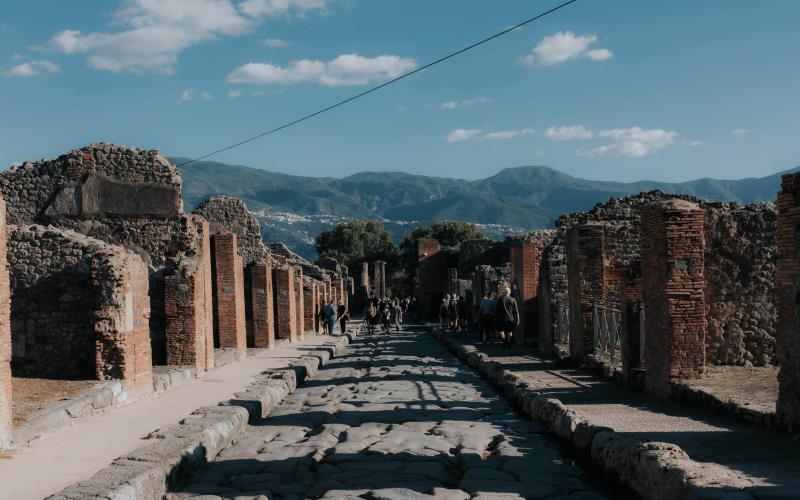
The day began as any other. The sun rose over the vibrant city, casting its light on bustling markets, workers preparing their goods, and the wealthy patricians enjoying the luxuries of life. Children played in the streets, bakers prepared their bread, and merchants engaged in lively bargaining with customers. The residents of Pompeii were blissfully unaware that, by the day’s end, their lives would be forever changed.
At around 1:00 p.m., Mount Vesuvius erupted with a force that stunned the city. The first explosion sent a massive plume of volcanic gas, ash, and pumice rock over 20 miles into the sky. People in Pompeii and surrounding areas looked up to see a dark cloud blocking out the sun, plunging the region into an eerie twilight. Fear and confusion spread as volcanic ash began to rain down on the city, covering streets, homes, and people in a thick layer of dust. Many initially sought shelter indoors, believing they could wait out the strange phenomenon. But the worst was yet to come.
The Horror Unfolds
As hours passed, the eruption grew more violent. Vesuvius unleashed a series of pyroclastic surges—fast-moving avalanches of superheated gas, ash, and debris—that raced down its slopes at nearly 400 miles per hour. These flows reached temperatures of up to 1,800 degrees Fahrenheit, instantly incinerating anything in their path. This phase of the eruption marked a turning point for Pompeii. Those who had remained in the city hoping for the ashfall to stop were now facing an unstoppable force of nature.
Survivors attempted to flee, some trying to escape toward the sea in hopes of finding refuge by boat, while others made their way toward the gates leading out of the city. But escape was nearly impossible. Ash and pumice piled high in the streets, collapsing roofs, and blocking pathways. Buildings that had once represented the wealth and culture of Pompeii now turned into tombs for those seeking shelter.
Within hours, the air became unbreathable due to the intense heat and toxic gases. The once-bustling city fell silent, consumed by a thick shroud of volcanic debris. By the next morning, Pompeii lay buried under 13 to 20 feet of ash, its residents frozen in the final moments of their lives.
Lost but Not Forgotten
For centuries, Pompeii remained hidden, its memory erased from the collective consciousness. However, in the 18th century, the accidental discovery of the city during excavation work marked the beginning of a remarkable archaeological journey. As archaeologists unearthed streets, buildings, and even the imprints of human bodies, they uncovered an incredibly well-preserved snapshot of Roman life.
The volcanic ash had acted as a natural preservative, encasing Pompeii’s artifacts, frescoes, mosaics, and even organic materials like bread and fruit in a remarkable state of preservation. Many houses and public buildings were unearthed with vivid frescoes and mosaics, portraying scenes of mythology, daily activities, and cultural symbolism that offered unprecedented insight into Roman art, beliefs, and social structure.
One of the most haunting and poignant discoveries was the human remains found across the city. The ash and debris had formed molds around the bodies, preserving the impressions of their final poses. These casts revealed the tragic last moments of Pompeii’s citizens: a family huddling together, a soldier at his post, a dog curled up in desperation. These vivid reminders of the eruption serve as a powerful testament to the human experience of catastrophe and survival.
Lessons from Pompeii
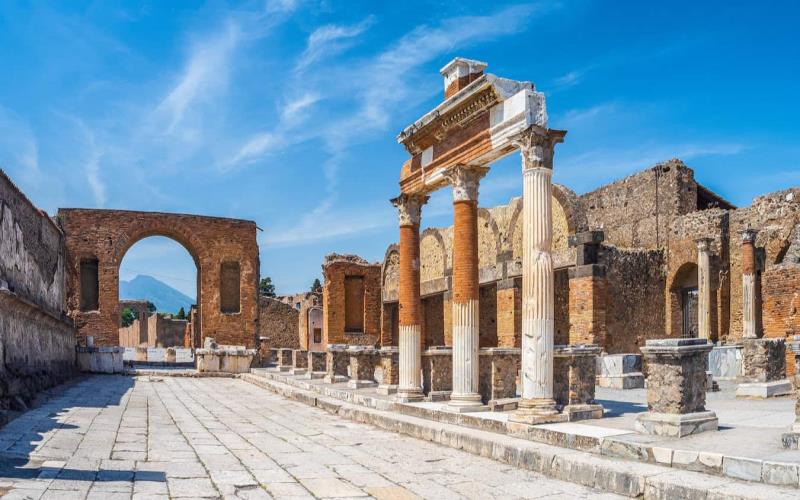
The story of Pompeii is not only one of tragedy but also one of learning and resilience. Today, the preserved city provides invaluable insights into ancient Roman society. Pompeii’s homes, temples, and shops reveal the intricacies of Roman daily life, from their love for art and architecture to their religious practices and social norms. The city’s complex water systems and advanced engineering illustrate the ingenuity and sophistication of the Roman Empire.
Moreover, the eruption of Mount Vesuvius reminds us of the unstoppable power of nature and humanity’s vulnerability in the face of such forces. Despite advances in technology and science, volcanic eruptions, earthquakes, and other natural disasters continue to threaten cities around the world. Pompeii’s tragic fate serves as a warning for modern society, highlighting the importance of disaster preparedness and the need to respect the natural world.
Pompeii Today: A Legacy of Fascination
Today, Pompeii is a UNESCO World Heritage Site and one of Italy’s most popular tourist destinations. Millions of visitors flock to the site each year to wander its ancient streets, marvel at its frescoes, and reflect on the fragility of human existence. The artifacts and ruins uncovered offer a sense of connection to those who lived centuries ago, reminding us that the people of Pompeii were not so different from ourselves.
Advances in archaeological technology continue to reveal new details about Pompeii, from DNA analysis of skeletal remains to 3D imaging of the city’s layout. The ongoing research helps to create an even clearer picture of Pompeii’s social structure, trade networks, and health conditions, adding depth to our understanding of this lost civilization.
In literature, art, and popular culture, Pompeii remains a powerful symbol of both human achievement and the devastating impact of natural disasters. Novels, films, and documentaries have brought the story of Pompeii to audiences around the world, blending historical fact with imaginative storytelling to capture the drama of that fateful day.
Conclusion: The Eternal Legacy of Pompeii
The story of Pompeii is both tragic and fascinating—a glimpse into a single, horrific day that ended an entire civilization yet preserved it for future generations. It reminds us of our shared humanity with those who lived before us and serves as a powerful testament to the endurance of history. Pompeii’s streets, homes, and monuments remain silent, yet they speak volumes about life in ancient Rome and the timeless fragility of human life.
In a world where natural disasters are a constant reminder of our vulnerability, Pompeii stands as both a cautionary tale and a remarkable window into the past. It is a place where history stands still, forever encapsulating the moments of that unforgettable day when a once-thriving city was silenced by the wrath of nature.
