
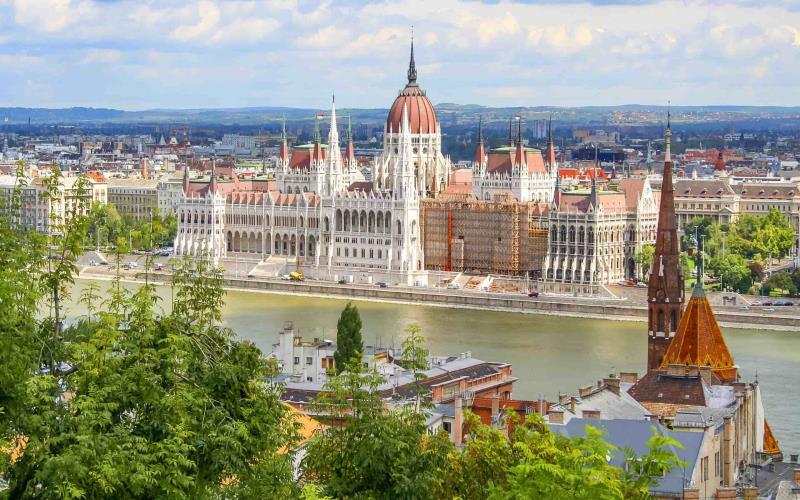
Embarking on a journey from Budapest to Zagreb feels like stepping through a portal from one ancient world into another. Both cities, deeply rooted in Central European culture, share a connection that stretches back through centuries of historical, artistic, and political ties. From Budapest’s majestic Danube riverbanks and thermal baths to Zagreb’s vibrant streets and verdant parks, these cities offer unique charms that make any trip between them an unforgettable adventure.
Join us as we recount the highlights of this scenic, culturally immersive journey from Budapest to Zagreb.
Morning in Budapest: A Farewell to the Danube
Our journey began in Budapest, where we took one last, long look at the Danube River before setting off. The Hungarian capital, often referred to as the “Paris of the East,” has a mesmerizing skyline dotted with grandiose landmarks like the Parliament Building, Buda Castle, and the iconic Chain Bridge.
Before leaving, we made a quick stop at a local café for a breakfast of fresh pastries and rich Hungarian coffee. The aroma of flaky, freshly baked kifli filled the air, making it impossible to resist. After a warm breakfast, we took one final walk along the river, passing by some of Budapest’s most beloved sights, like the Shoes on the Danube memorial, before heading to the train station.
The Train from Budapest to Zagreb: Crossing Borders and Landscapes
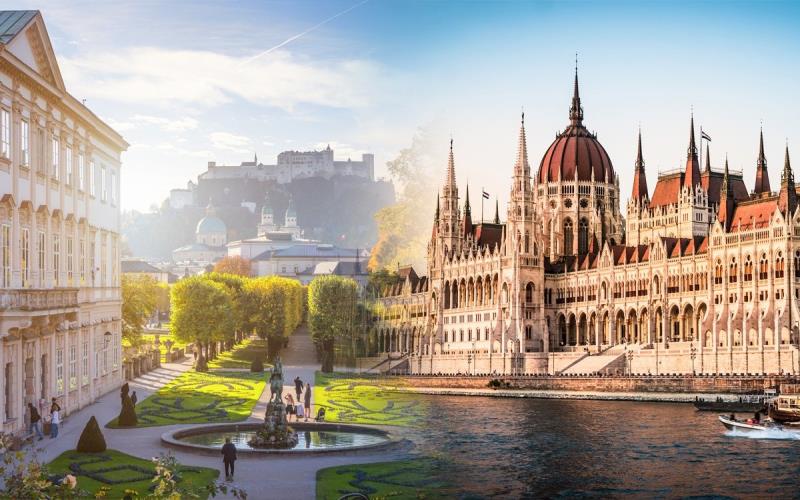
While the fastest route from Budapest to Zagreb is by train, the journey is more than just a mode of transportation—it’s an experience in itself. The train ride takes approximately six hours, winding through a scenic landscape of lush forests, rolling hills, and small villages, each with its own story and charm. This rail route crosses the border from Hungary into Croatia, allowing travelers to witness the gradual change in scenery and culture along the way.
As we settled into our seats, we were struck by the peacefulness of the countryside. Each passing field and forested stretch felt like a window into Central Europe’s heart. A sense of calm filled the train, with fellow travelers reading, chatting, or simply gazing out the window at the passing scenery. It was the perfect time to relax, reflect on our journey so far, and anticipate the adventures that awaited us in Zagreb.
Crossing the border into Croatia, we noticed subtle changes in the landscape, from Hungarian villages with pastel-colored houses to Croatian settlements with terracotta roofs and winding streets. The border checkpoint is relatively straightforward, with immigration officers boarding the train for passport checks before we continued on our way.
Arrival in Zagreb: First Impressions
We arrived in Zagreb in the early afternoon, greeted by the city’s welcoming energy. Zagreb’s train station, Glavni kolodvor, is conveniently located near the heart of the city, allowing us to step off the train and into the vibrant pulse of Croatia’s capital.
Our first impression of Zagreb was that of a city where history and modernity coexist harmoniously. The cityscape is a mix of Austro-Hungarian architecture, Baroque palaces, and modern buildings, with tree-lined streets and open parks that give the city a fresh, open feel. People bustled along the streets, yet the atmosphere felt relaxed—a refreshing change of pace after the busy vibe of Budapest.
Afternoon: Exploring Upper and Lower Towns
Zagreb is often divided into two distinct parts: the Upper Town (Gornji Grad) and the Lower Town (Donji Grad). We began our exploration with a visit to the Upper Town, accessible via a funicular ride that offers stunning views of the city below. Gornji Grad is Zagreb’s historic center, home to cobbled streets, colorful buildings, and charming squares.
Our first stop was St. Mark’s Church, known for its distinctive tiled roof featuring the coat of arms of Zagreb and the Kingdom of Croatia. The vibrant colors and intricate design made it a beautiful sight, and it quickly became a favorite spot. From there, we wandered through Stone Gate, a medieval entrance adorned with religious icons, where visitors light candles and leave offerings.
Walking through Upper Town, we visited the Lotrščak Tower, a medieval fortification that offers panoramic views of Zagreb. From the top of the tower, we could see the expansive Lower Town, framed by green hills in the distance. Each glance at Zagreb from above felt like discovering a new layer of the city’s charm.
After descending back into the Lower Town, we took a leisurely walk through Zagreb’s central square, Trg bana Jelačića. Surrounded by shops, cafes, and bustling market stalls, the square is a popular meeting spot and the perfect place to soak up the local atmosphere.
Evening: Unwinding with Croatian Cuisine
One of the joys of traveling is experiencing local cuisine, and Zagreb did not disappoint. For dinner, we chose a cozy, traditional Croatian restaurant nestled in the heart of the city. Croatian food reflects a blend of Mediterranean, Central European, and Balkan influences, resulting in dishes that are hearty and packed with flavor.
Read More: Zagreb to Split
We started with a plate of pršut (Croatian cured ham) and paški sir, a famous sheep’s milk cheese from the island of Pag. The combination was delicious, a perfect balance of savory and rich flavors. For the main course, we ordered čevapi, a type of grilled sausage popular in the Balkans, served with fresh flatbread and ajvar, a red pepper and eggplant relish. Each bite was satisfying and deeply flavorful.
To accompany our meal, we tried a local wine from the Istria region, which complemented the meal beautifully. Finally, we couldn’t resist a taste of kremšnita, a delightful cream cake layered with custard, flaky pastry, and powdered sugar.
Night Stroll in Zagreb: Finding Magic After Dark
As the sun set, we took a final stroll through Zagreb’s illuminated streets. Walking back through the Lower Town, we passed by the Art Pavilion and the grand Croatian National Theatre, both glowing under the city lights. The peacefulness of the evening made it feel as if we were exploring a different city, one softened by the quiet and glow of nighttime.
We made our way to Zrinjevac Park, a green oasis in the center of the city, where locals were gathered, enjoying the warm evening. The park’s paths were lined with lights, and the fountains sparkled as we sat on a bench, savoring the calm ambiance. Watching couples, families, and friends wander the park was a perfect ending to our day, a reminder of how much Zagreb embraces both its residents and visitors with open arms.
Reflections on Budapest to Zagreb: A Journey through Two Worlds
Our journey from Budapest to Zagreb was not just about traveling from one city to another; it was a glimpse into two distinct yet connected cultures. Budapest enchanted us with its majestic architecture, historic baths, and grandeur, while Zagreb charmed us with its relaxed vibe, cobbled streets, and vibrant local culture.
For those seeking a journey through Central Europe that combines history, natural beauty, and a taste of diverse cultures, the trip from Budapest to Zagreb is unforgettable. It’s a journey that lets you step into the past, discover hidden gems, and taste the flavors of two extraordinary cities.
As we prepared to continue our travels, we knew this day would stand out as one of the highlights, a reminder of how travel can offer us moments of discovery, wonder, and joy that we’ll carry with us long after we’ve left.
